


Find the best sofa covers for summer. Compare cool, breathable fabrics like cotton, linen, and bamboo to stay comfortable on hot days.
Ever sat down on your couch in July and felt like you were stuck to it? That sticky, overheated feeling usually has little to do with the room temperature and a lot to do with the fabric under you. Choosing the best sofa covers for summer can change how comfortable your living room feels, and it costs far less than a new sofa or a bigger air conditioner. The right cover lets air move, soaks up moisture, and keeps the seat from turning into a heat trap. In this guide, we’ll look at which cool, breathable fabrics work best, which ones to skip, and how to pick a cover that fits your home and your habits.
Why Your Sofa Cover Matters in Hot Weather
Upholstery is built for durability and looks, not for airflow. Many sofas are covered in thick polyester, velvet, or faux leather, and all of them hold warmth against your body. When you add humidity, sweat has nowhere to go, and you end up uncomfortable within minutes.
A seasonal cover solves this problem without touching the sofa itself. Think of it like swapping a wool blanket for a cotton sheet. The sofa underneath stays the same, but how it feels changes completely. A cover also protects your upholstery from sunscreen, sweat, and drinks, which tend to show up more often in summer. And because it comes off, you can wash away the season’s grime and put the original look back in autumn.
What Makes a Fabric Cool and Breathable?
Before comparing options, it helps to know what you’re looking for. Three qualities matter most.
- Breathability: how easily air passes through the weave. Loose, lightweight weaves let heat escape.
- Moisture absorption: how well the fabric pulls sweat away from your skin so you don’t feel clammy.
- Weight: lighter fabrics generally trap less heat than dense, heavy ones.
Natural fibers usually score well on all three, which is why cotton and linen have been summer favorites for generations. Some modern synthetics can compete, but they depend on how they’re engineered, so it pays to check the label.
Best Sofa Cover Fabrics for Summer
Natural Fibers
Natural fibers come from plants, and they tend to feel the coolest against bare skin. They also tend to age gracefully, getting softer with each wash.
Cotton
Cotton is the easiest place to start. It’s soft, widely available, easy to wash, and gentle on sensitive skin. A cotton cover breathes well and handles everyday wear, which makes it a good fit for families and pet owners. Look for lightweight cotton twill or a loose weave rather than thick canvas, which can feel stiff and warm. One thing to know: cotton wrinkles and can shrink if you wash it hot, so follow the care label closely.
Linen
Linen is the classic hot-weather fabric for good reason. Its fibers are hollow and allow air to flow through freely, and the fabric dries quickly after absorbing moisture. A linen sofa cover gives you that relaxed, slightly textured look that suits coastal and minimalist rooms. The trade-off is that linen wrinkles easily, and the pure version can cost more. If you like a lived-in style, the wrinkles will feel like part of the charm rather than a flaw.
Bamboo
Bamboo-based fabrics, usually bamboo viscose or rayon, are known for a silky, smooth feel that seems cool to the touch. They absorb moisture well and drape nicely over a sofa. They’re also soft enough to feel luxurious. Because the quality varies between brands, it’s worth reading reviews and checking how the fabric is blended before buying.
Blends and Synthetics
Pure natural fabrics aren’t always practical. If you have kids, pets, or a sofa that sees constant use, a blend can give you the best of both worlds.
Cotton-Polyester Blends
A cotton-poly blend keeps much of cotton’s breathability while adding strength and wrinkle resistance. These covers hold their shape well and are less likely to shrink. They’re usually cheaper than linen or bamboo, too. Choose a blend with a higher cotton percentage if staying cool is your priority, since a heavy polyester ratio will feel warmer. Some stretch covers also use thin, moisture-wicking knit fabrics that work reasonably well in summer, as long as the knit is light and not tightly packed.
Fabrics to Avoid in the Heat
Some materials look great in winter and feel miserable in July. Velvet and chenille are thick and plush, which means they trap heat. Faux leather and vinyl don’t breathe at all, so they become sticky against bare legs. Heavy quilted covers and thick fleece can also feel suffocating once the temperature climbs.
That doesn’t mean you have to throw these out. Save them for cooler months and rotate in a lighter cover when summer arrives. Many people keep two sets of covers for exactly this reason.
How to Choose the Right Summer Sofa Cover
Fit and Style
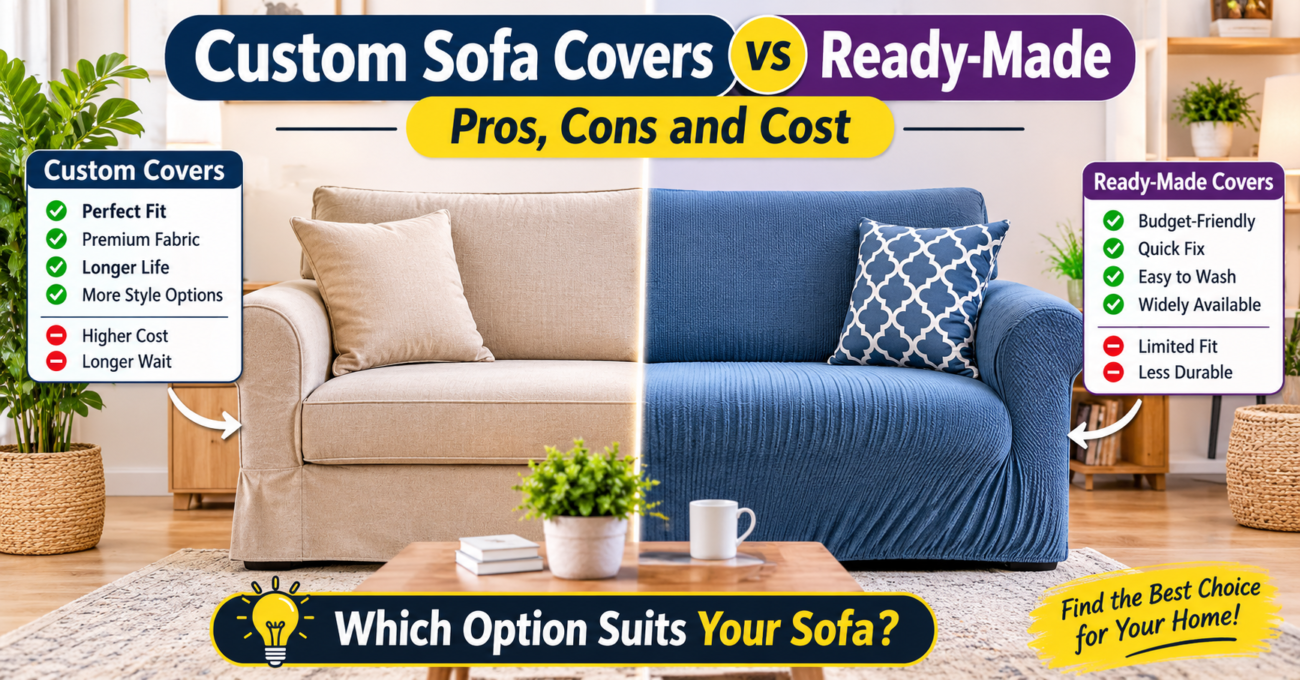
Start by measuring your sofa: width, depth, height, and arm size. A cover that’s too loose bunches and slides, while one that’s too tight strains seams and clings to your body. Stretch covers work well for oddly shaped sofas and sectionals because they hug the frame. Loose slipcovers give a relaxed, airy look and often allow more airflow between the cover and the cushions, which can help in hot weather. If your sofa has separate cushions, covers made in individual pieces tend to stay in place better than a single wrap.
Color and Pattern
Light colors reflect heat, so whites, creams, soft grays, and pastels look fresh and feel a little cooler, especially if your sofa sits near a sunny window. They also make a room feel brighter. If you worry about stains, a subtle pattern or a textured weave hides marks better than plain white. Dark colors absorb more heat from the sun, so if you love them, keep the sofa out of direct light.
Care and Washing
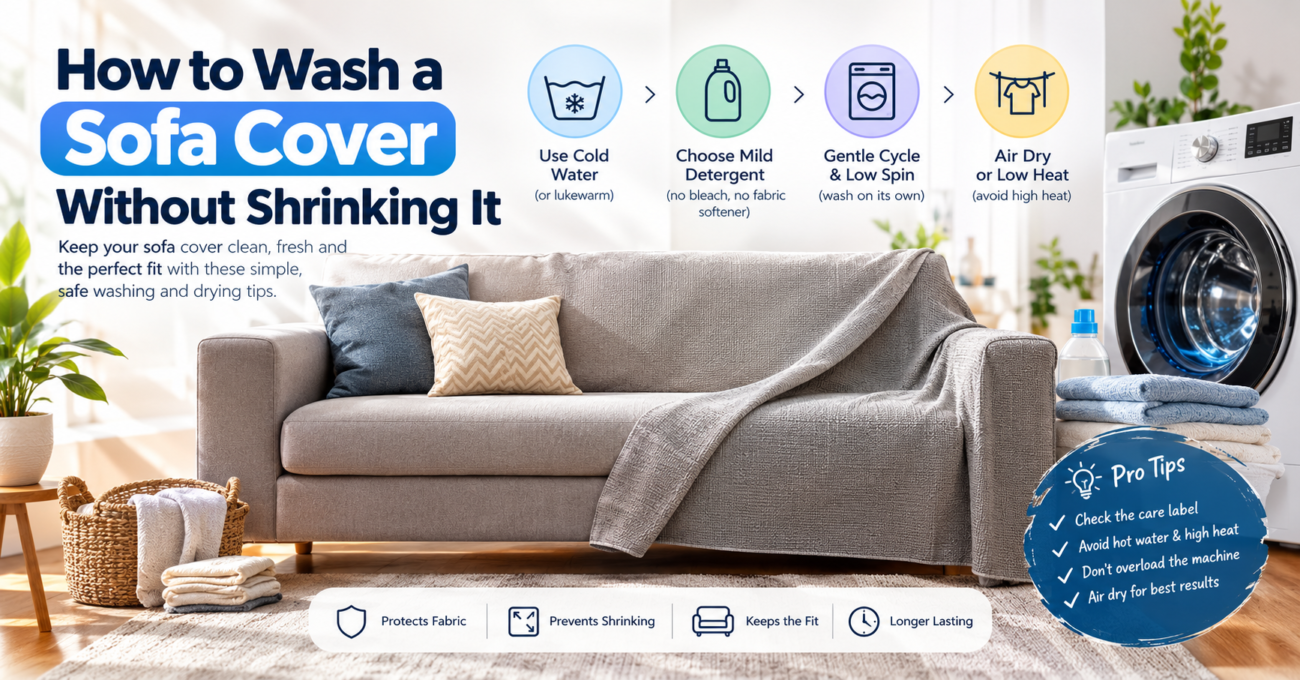
A summer cover will get a lot of use, so washability matters. Check whether the cover is machine washable and at what temperature. Cold or warm washes keep natural fibers from shrinking and help colors last longer. Air drying is gentler, though many covers can go in the dryer on low heat. If you have pets or small children, choose something you won’t be nervous about washing every couple of weeks.
Tips for Keeping Your Sofa Cool
The cover is only part of the picture. A few small habits can make your seating area more comfortable.
- Move the sofa away from direct afternoon sunlight, or use curtains to block the strongest rays.
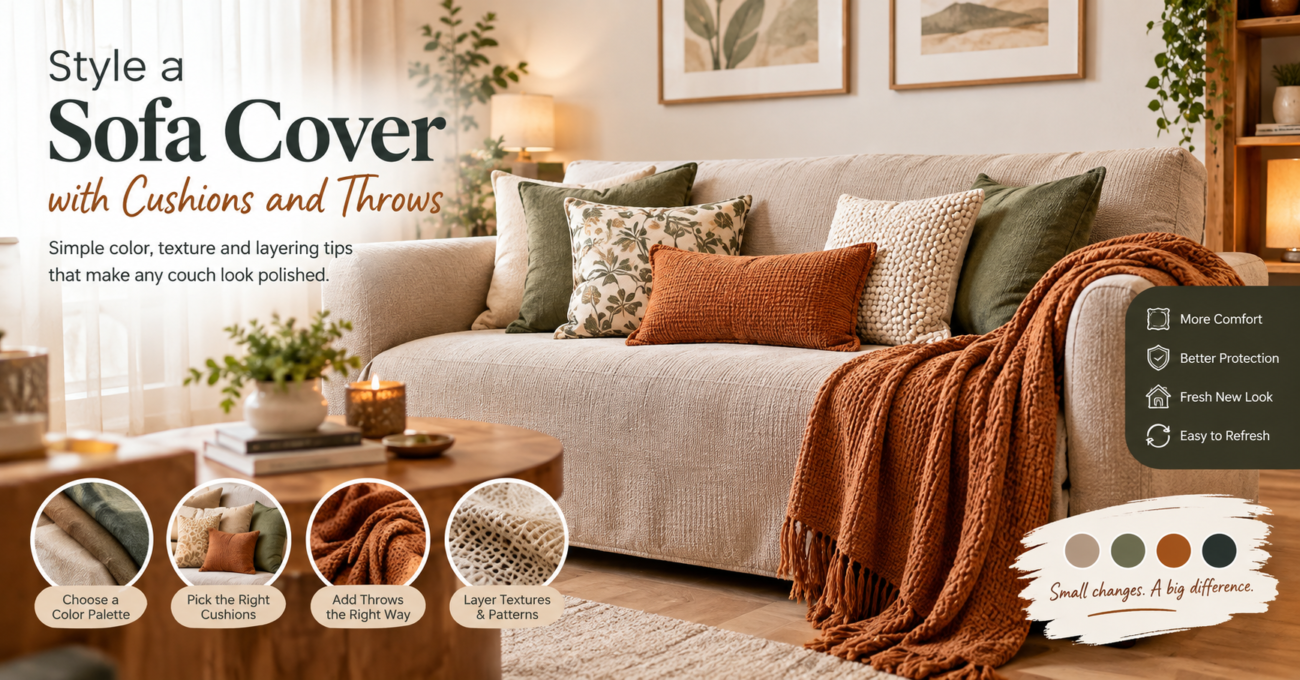
- Pair your cover with light, breathable throw pillows in cotton or linen.
- Run a ceiling fan to keep air moving across the seat.
- Wash covers regularly, since sweat and body oils make fabric feel heavier and stickier over time.
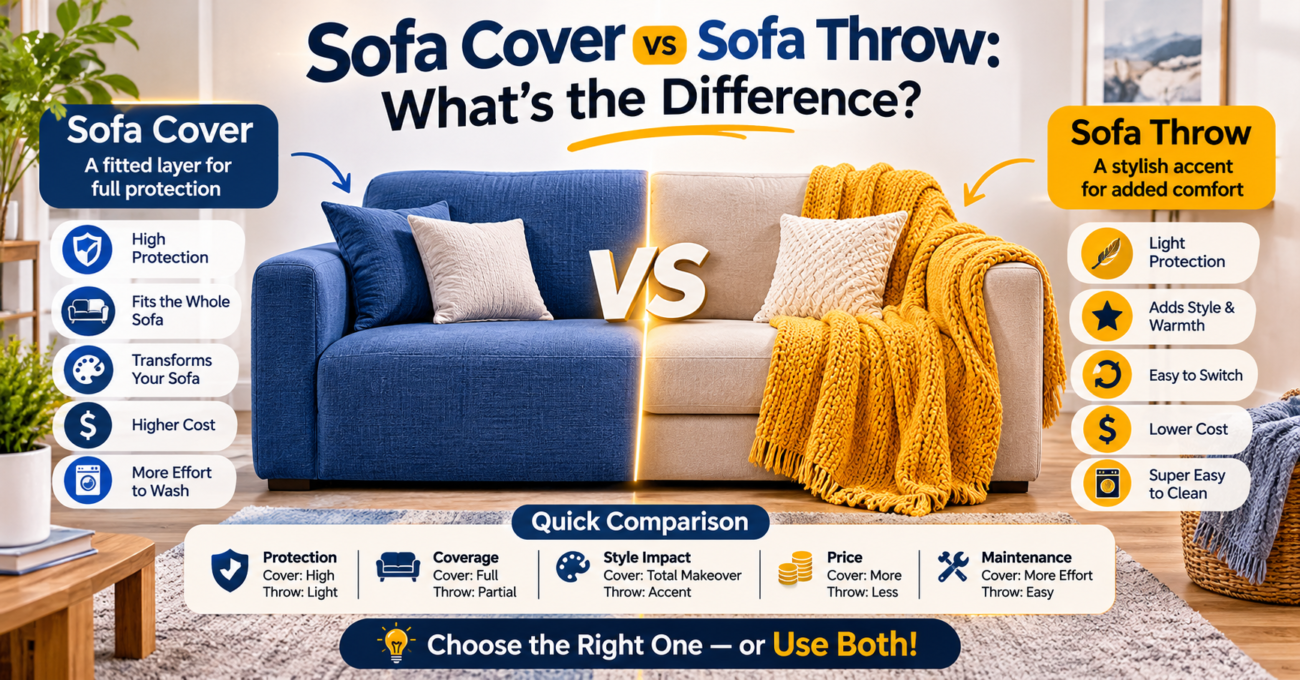
- Add a thin cotton throw if you like extra softness without adding bulk.
Together, these steps help the fabric do its job. Even the best cover can’t fight a sofa that’s baking in the sun all afternoon.
Conclusion
The best sofa covers for summer are the ones that let air through, absorb moisture, and stay light against your skin. Cotton gives you easy comfort, linen offers classic cool-weather-in-July breathability, bamboo adds a silky feel, and a cotton-poly blend balances comfort with durability. Avoid velvet, faux leather, and anything thick or quilted until the weather cools down. Pick a cover that fits well, choose a lighter color, and make sure you can wash it easily. With the right fabric and a few simple habits, your sofa can stay a comfortable spot all summer long.
Frequently Asked Questions
What is the coolest fabric for a sofa cover in summer?
Linen is often considered the coolest option because its fibers allow excellent airflow and dry quickly. Lightweight cotton is a close second and is usually easier to care for. If you want a silky feel, bamboo-based fabric is another good pick.
Do sofa covers make a couch hotter?
It depends on the material. A thick or synthetic cover can make a sofa feel warmer, but a light, breathable one like cotton or linen can actually make it feel cooler than bare upholstery, especially if the sofa underneath is velvet or faux leather.
Are stretch sofa covers good for hot weather?
They can be, if the fabric is thin and breathable. Stretch covers fit snugly, which means less airflow between the cover and the cushions. Look for lightweight knit blends with moisture-wicking properties rather than thick, tightly woven versions.
How often should I wash a summer sofa cover?
Most people do well washing it every two to four weeks, or more often if pets, kids, or heavy sweating are involved. Always follow the care label to avoid shrinking or damaging the fabric.
Which color sofa cover is best for summer?
Light colors such as white, cream, beige, light gray, and pastels are best because they reflect heat instead of absorbing it. If you’re worried about stains, choose a textured weave or a soft pattern that hides small marks.







One thought on “Best Sofa Covers for Summer: Cool, Breathable Fabrics”